


How to reduce gear wear and maintain sealing reliability when a metal magnetic gear pump is used for long-term conveying of media containing trace particles?
Release Time : 2026-06-08
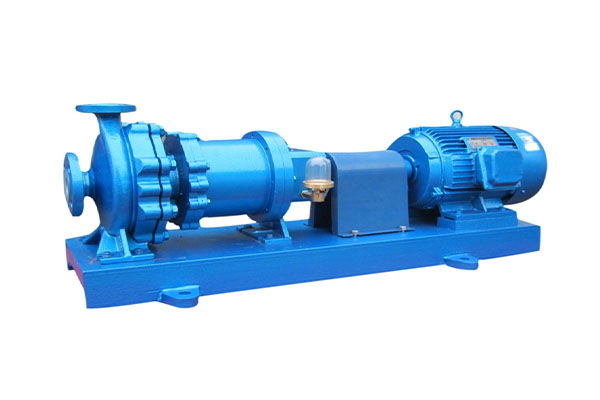
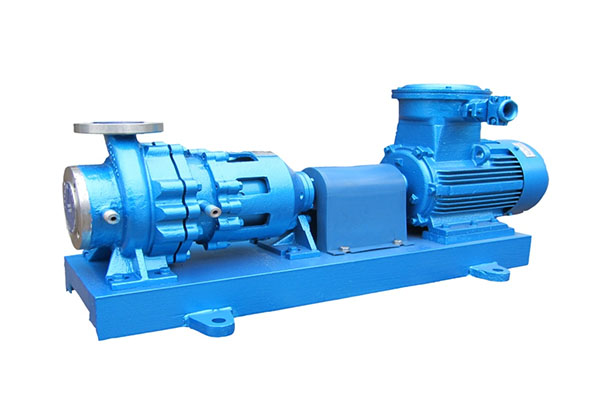
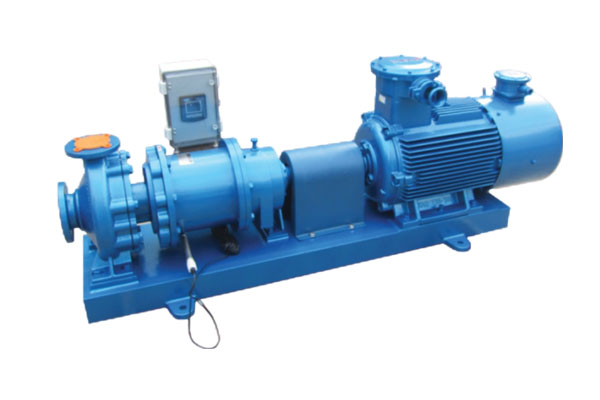
Metal magnetic gear pumps are widely used in industries such as chemical, fine chemical, coating, ink, new energy materials, and pharmaceuticals due to their leak-free conveying, compact structure, high metering accuracy, and stable operation. In actual production processes, some media, even after pretreatment, may still contain a small amount of fine particles. These particles can easily enter the gear meshing area and key friction points during long-term circulation, causing problems such as tooth surface wear, increased clearance, and decreased volumetric efficiency. Simultaneously, particles can also continuously erode the isolation sleeve, bearings, and sealing structure, affecting the stability and sealing reliability of the magnetic drive system.
1. Optimize gear materials to improve wear resistance
As the core transmission component of a metal magnetic gear pump, the material properties of the gears directly affect the equipment's lifespan. When trace particles enter the gear meshing area with the media, they continuously cause abrasive wear on the gear surfaces. To improve wear resistance, many metal magnetic gear pumps use high-hardness stainless steel, tool steel, or special alloy materials to manufacture gears, and employ processes such as nitriding, ion nitriding, and surface hardening to enhance surface hardness and wear resistance. Simultaneously, some high-end products utilize surface strengthening technologies such as tungsten carbide coating and diamond-like carbon coating to further enhance the gear surface's resistance to erosion. By increasing material strength and surface hardness, the impact of particle wear on gear precision can be effectively reduced.
2. Optimizing Flow Channel Structure to Reduce Particle Aggregation
The flow state of the medium has a significant impact on particle distribution. If dead zones or localized turbulent areas exist within the pump body, particles are prone to deposition and aggregation, thus exacerbating localized wear. To address this issue, the pump cavity flow channel design can be optimized to make the medium flow more uniform and smooth, reducing particle retention. Simultaneously, fluid simulation analysis of the gear inlet and outlet areas reduces the probability of particles repeatedly circulating in high-pressure areas. A reasonable flow channel structure not only reduces particle erosion of critical components but also improves overall conveying efficiency and operational stability.
3. Configure a Filtration System to Reduce the Risk of Particle Ingress
In applications involving particulate media, a filtration system is crucial for protecting the gear pump. By installing a filter with appropriate precision at the pump inlet, larger particles can be effectively intercepted from entering the pump chamber, reducing wear on gears and bearings. Depending on the characteristics of the media, metal mesh filters, sintered filters, or self-cleaning filtration systems can be selected. For continuously operating equipment, online filtration and automatic drainage structures can be used to prevent filter clogging from affecting flow rate. Controlling the size and quantity of particles entering the pump body can significantly extend the service life of critical components.
4. Improve the Wear Resistance of Bearings and Isolation Sleeves
Besides the gears themselves, bearings and isolation sleeves are also critical components susceptible to particle corrosion. During long-term operation, fine particles may enter the bearing gaps and form wear sources, leading to decreased operating accuracy. Therefore, many metal magnetic gear pumps use silicon carbide, tungsten carbide, or high-performance ceramic bearing materials to improve wear resistance and corrosion resistance. Simultaneously, optimizing the material and structural design of the isolation sleeve improves its erosion resistance, preventing a decrease in magnetic transmission efficiency due to localized wear. The proper configuration of wear-resistant components effectively ensures the long-term stable operation of the entire machine.
5. Optimize Clearance Design to Maintain Sealing Reliability
One of the biggest advantages of metal magnetic gear pumps is their seal-free structure. However, long-term wear can still cause changes in internal clearance, affecting volumetric efficiency and sealing performance. Therefore, the wear compensation requirements under particulate conditions need to be fully considered during the design phase. This can be achieved by rationally controlling gear backlash, end face clearance, and bearing fit precision to reduce the impact of wear on performance. Some advanced products also employ automatic compensation structures or floating side plate designs, automatically adjusting the clearance state during operation to maintain a stable sealing effect. This reduces internal leakage and improves the long-term reliability of the equipment.
6. Strengthen Operation Monitoring and Maintenance Management
Monitoring the equipment's operating status is also a crucial means of reducing wear. Real-time monitoring of parameters such as flow rate, pressure, vibration, temperature, and power can promptly detect abnormal wear and particulate accumulation. When a decrease in flow rate or an increase in vibration occurs, maintenance and component replacement can be performed in advance to prevent further escalation of the problem. Simultaneously, establishing a regular cleaning and maintenance system to promptly remove deposited particles inside the pump chamber also helps maintain optimal equipment operating conditions.
In summary, when transporting media containing trace particles over long periods, metal magnetic gear pumps can effectively reduce the impact of particle wear through various measures, including optimizing gear materials, improving flow channel structure, configuring filtration systems, enhancing bearing wear resistance, optimizing clearance design, and strengthening operational monitoring. Simultaneously, while ensuring leak-free transport, these measures further improve sealing reliability and equipment lifespan, providing a reliable guarantee for stable transport under complex operating conditions.
1. Optimize gear materials to improve wear resistance
As the core transmission component of a metal magnetic gear pump, the material properties of the gears directly affect the equipment's lifespan. When trace particles enter the gear meshing area with the media, they continuously cause abrasive wear on the gear surfaces. To improve wear resistance, many metal magnetic gear pumps use high-hardness stainless steel, tool steel, or special alloy materials to manufacture gears, and employ processes such as nitriding, ion nitriding, and surface hardening to enhance surface hardness and wear resistance. Simultaneously, some high-end products utilize surface strengthening technologies such as tungsten carbide coating and diamond-like carbon coating to further enhance the gear surface's resistance to erosion. By increasing material strength and surface hardness, the impact of particle wear on gear precision can be effectively reduced.
2. Optimizing Flow Channel Structure to Reduce Particle Aggregation
The flow state of the medium has a significant impact on particle distribution. If dead zones or localized turbulent areas exist within the pump body, particles are prone to deposition and aggregation, thus exacerbating localized wear. To address this issue, the pump cavity flow channel design can be optimized to make the medium flow more uniform and smooth, reducing particle retention. Simultaneously, fluid simulation analysis of the gear inlet and outlet areas reduces the probability of particles repeatedly circulating in high-pressure areas. A reasonable flow channel structure not only reduces particle erosion of critical components but also improves overall conveying efficiency and operational stability.
3. Configure a Filtration System to Reduce the Risk of Particle Ingress
In applications involving particulate media, a filtration system is crucial for protecting the gear pump. By installing a filter with appropriate precision at the pump inlet, larger particles can be effectively intercepted from entering the pump chamber, reducing wear on gears and bearings. Depending on the characteristics of the media, metal mesh filters, sintered filters, or self-cleaning filtration systems can be selected. For continuously operating equipment, online filtration and automatic drainage structures can be used to prevent filter clogging from affecting flow rate. Controlling the size and quantity of particles entering the pump body can significantly extend the service life of critical components.
4. Improve the Wear Resistance of Bearings and Isolation Sleeves
Besides the gears themselves, bearings and isolation sleeves are also critical components susceptible to particle corrosion. During long-term operation, fine particles may enter the bearing gaps and form wear sources, leading to decreased operating accuracy. Therefore, many metal magnetic gear pumps use silicon carbide, tungsten carbide, or high-performance ceramic bearing materials to improve wear resistance and corrosion resistance. Simultaneously, optimizing the material and structural design of the isolation sleeve improves its erosion resistance, preventing a decrease in magnetic transmission efficiency due to localized wear. The proper configuration of wear-resistant components effectively ensures the long-term stable operation of the entire machine.
5. Optimize Clearance Design to Maintain Sealing Reliability
One of the biggest advantages of metal magnetic gear pumps is their seal-free structure. However, long-term wear can still cause changes in internal clearance, affecting volumetric efficiency and sealing performance. Therefore, the wear compensation requirements under particulate conditions need to be fully considered during the design phase. This can be achieved by rationally controlling gear backlash, end face clearance, and bearing fit precision to reduce the impact of wear on performance. Some advanced products also employ automatic compensation structures or floating side plate designs, automatically adjusting the clearance state during operation to maintain a stable sealing effect. This reduces internal leakage and improves the long-term reliability of the equipment.
6. Strengthen Operation Monitoring and Maintenance Management
Monitoring the equipment's operating status is also a crucial means of reducing wear. Real-time monitoring of parameters such as flow rate, pressure, vibration, temperature, and power can promptly detect abnormal wear and particulate accumulation. When a decrease in flow rate or an increase in vibration occurs, maintenance and component replacement can be performed in advance to prevent further escalation of the problem. Simultaneously, establishing a regular cleaning and maintenance system to promptly remove deposited particles inside the pump chamber also helps maintain optimal equipment operating conditions.
In summary, when transporting media containing trace particles over long periods, metal magnetic gear pumps can effectively reduce the impact of particle wear through various measures, including optimizing gear materials, improving flow channel structure, configuring filtration systems, enhancing bearing wear resistance, optimizing clearance design, and strengthening operational monitoring. Simultaneously, while ensuring leak-free transport, these measures further improve sealing reliability and equipment lifespan, providing a reliable guarantee for stable transport under complex operating conditions.