
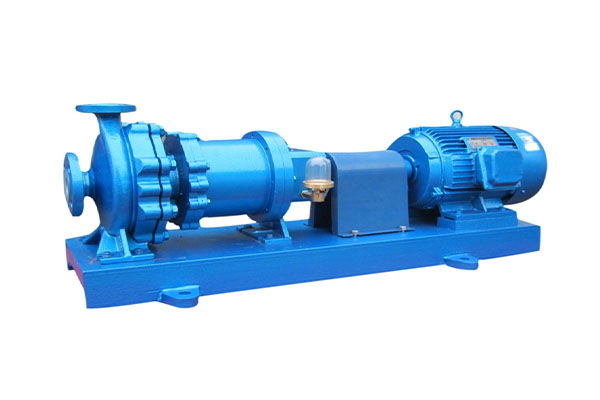
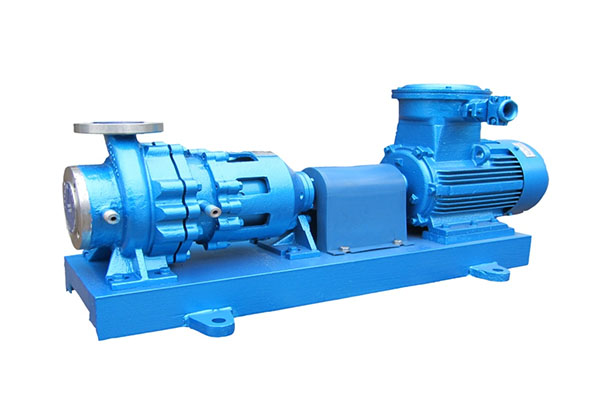
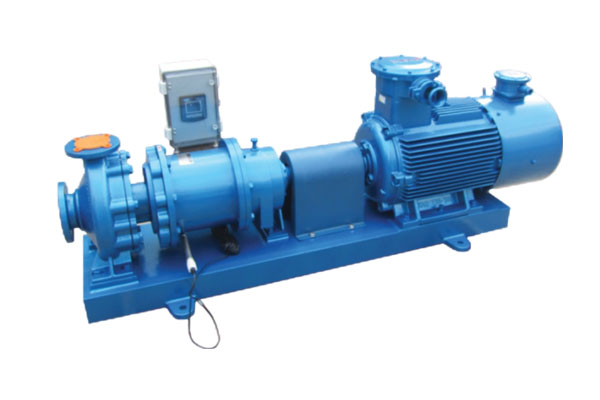


How can a metal magnetic vortex pump achieve secondary isolation of the medium when the sleeve wears or is damaged, preventing direct leakage of harmful media into the atmosphere?
Release Time : 2026-06-22
In the chemical, pharmaceutical, and fine chemical industries, metal magnetic vortex pumps are widely used for conveying flammable, explosive, and toxic media due to their seal-free operation, low leakage, and stable operation. However, traditional magnetic drive structures mainly rely on the isolation sleeve to isolate the medium from the outside environment. Once the sleeve is damaged due to wear, corrosion, or abnormal operating conditions, the internal medium may directly escape into the atmosphere, not only losing the advantage of leak-free transportation but also causing environmental pollution and safety hazards.
1. Constructing a Double-Layer Isolation Structure to Form a Redundant Protective Barrier
To prevent direct leakage of the medium after the failure of a single isolation sleeve, the metal magnetic vortex pump can adopt a double-layer isolation structure design, adding an auxiliary isolation chamber in addition to the original main isolation sleeve. When the main isolation layer wears or partially breaks due to long-term operation, the auxiliary isolation structure can continue to perform the function of sealing the medium, forming a second protective barrier inside, thereby blocking the direct connection between the medium and the atmosphere. This redundant design effectively extends accident response time, improves system fault tolerance, and provides safety assurance for subsequent maintenance and shutdown procedures.
2. Utilizing a buffer chamber structure for temporary containment of leaked media
When localized damage occurs to the sleeve, the leaked media will typically first enter a pre-designed buffer chamber or transition space, rather than directly spreading to the external environment. The buffer chamber forms a relatively closed storage area, temporarily collecting and isolating small amounts of leaked media to prevent rapid evaporation or diffusion. Simultaneously, this structure reduces the corrosive effect of the media on external components, mitigates the impact of the accident, and improves the overall safety factor of the machine. For applications involving the transport of volatile and toxic media, this buffering mechanism significantly reduces the risk of environmental pollution.
3. Extending the service life of the isolation sleeve through wear-resistant materials
Isolation sleeve wear is a major cause of media leakage; therefore, improving its wear resistance is crucial for achieving secondary isolation. Metal magnetic vortex pumps can use high-strength stainless steel, Hastelloy, or special corrosion-resistant metal materials to manufacture the isolation structure, improving its wear resistance, fatigue resistance, and corrosion resistance. Meanwhile, by optimizing surface treatment processes and reducing localized frictional heat accumulation, wear during long-term operation can be reduced, lowering the probability of sleeve failure at its source and providing a more stable foundation for the secondary isolation system.
4. Introducing a Leak Monitoring System for Early Warning
In addition to structural secondary protection, the metal magnetic vortex pump can be equipped with pressure sensors, level sensors, or media detection devices to monitor the isolation area in real time. When abnormal wear or minor leakage occurs in the sleeve, the system can promptly capture signals such as pressure changes and media concentration changes, and automatically issue alarm information. Some intelligent systems can also link with control devices to automatically shut down or cut off the delivery process, preventing further escalation of the fault. Through online monitoring and early warning mechanisms, measures can be taken in time before the media actually leaks to the outside, improving the overall safety level.
5. Establishing a Closed Recovery Channel to Reduce Environmental Pollution Risks
For the transportation of special hazardous media, the metal magnetic vortex pump can also be designed with a closed recovery system, connecting the secondary isolation area to the recovery device. In the event of an abnormal leak, the media can enter a recovery container or treatment system through a dedicated channel, achieving closed-loop treatment and avoiding direct discharge into the air. This design not only reduces resource waste but also minimizes the harm caused by toxic and hazardous substances to the surrounding environment and production personnel, giving the metal magnetic vortex pump a true "leak-proof" safety characteristic.
Through the synergistic effects of a double-layer isolation structure, buffer chamber protection, wear-resistant material reinforcement, online monitoring and early warning, and a closed-loop recovery system, the metal magnetic vortex pump can form a complete secondary isolation mechanism when the sleeve wears or is damaged. This effectively prevents hazardous media from directly leaking into the atmosphere, further leveraging the advantages of leak-free conveying equipment and providing more reliable protection for chemical production and environmental safety.
1. Constructing a Double-Layer Isolation Structure to Form a Redundant Protective Barrier
To prevent direct leakage of the medium after the failure of a single isolation sleeve, the metal magnetic vortex pump can adopt a double-layer isolation structure design, adding an auxiliary isolation chamber in addition to the original main isolation sleeve. When the main isolation layer wears or partially breaks due to long-term operation, the auxiliary isolation structure can continue to perform the function of sealing the medium, forming a second protective barrier inside, thereby blocking the direct connection between the medium and the atmosphere. This redundant design effectively extends accident response time, improves system fault tolerance, and provides safety assurance for subsequent maintenance and shutdown procedures.
2. Utilizing a buffer chamber structure for temporary containment of leaked media
When localized damage occurs to the sleeve, the leaked media will typically first enter a pre-designed buffer chamber or transition space, rather than directly spreading to the external environment. The buffer chamber forms a relatively closed storage area, temporarily collecting and isolating small amounts of leaked media to prevent rapid evaporation or diffusion. Simultaneously, this structure reduces the corrosive effect of the media on external components, mitigates the impact of the accident, and improves the overall safety factor of the machine. For applications involving the transport of volatile and toxic media, this buffering mechanism significantly reduces the risk of environmental pollution.
3. Extending the service life of the isolation sleeve through wear-resistant materials
Isolation sleeve wear is a major cause of media leakage; therefore, improving its wear resistance is crucial for achieving secondary isolation. Metal magnetic vortex pumps can use high-strength stainless steel, Hastelloy, or special corrosion-resistant metal materials to manufacture the isolation structure, improving its wear resistance, fatigue resistance, and corrosion resistance. Meanwhile, by optimizing surface treatment processes and reducing localized frictional heat accumulation, wear during long-term operation can be reduced, lowering the probability of sleeve failure at its source and providing a more stable foundation for the secondary isolation system.
4. Introducing a Leak Monitoring System for Early Warning
In addition to structural secondary protection, the metal magnetic vortex pump can be equipped with pressure sensors, level sensors, or media detection devices to monitor the isolation area in real time. When abnormal wear or minor leakage occurs in the sleeve, the system can promptly capture signals such as pressure changes and media concentration changes, and automatically issue alarm information. Some intelligent systems can also link with control devices to automatically shut down or cut off the delivery process, preventing further escalation of the fault. Through online monitoring and early warning mechanisms, measures can be taken in time before the media actually leaks to the outside, improving the overall safety level.
5. Establishing a Closed Recovery Channel to Reduce Environmental Pollution Risks
For the transportation of special hazardous media, the metal magnetic vortex pump can also be designed with a closed recovery system, connecting the secondary isolation area to the recovery device. In the event of an abnormal leak, the media can enter a recovery container or treatment system through a dedicated channel, achieving closed-loop treatment and avoiding direct discharge into the air. This design not only reduces resource waste but also minimizes the harm caused by toxic and hazardous substances to the surrounding environment and production personnel, giving the metal magnetic vortex pump a true "leak-proof" safety characteristic.
Through the synergistic effects of a double-layer isolation structure, buffer chamber protection, wear-resistant material reinforcement, online monitoring and early warning, and a closed-loop recovery system, the metal magnetic vortex pump can form a complete secondary isolation mechanism when the sleeve wears or is damaged. This effectively prevents hazardous media from directly leaking into the atmosphere, further leveraging the advantages of leak-free conveying equipment and providing more reliable protection for chemical production and environmental safety.